Moving Forward: Understanding post-partum depression
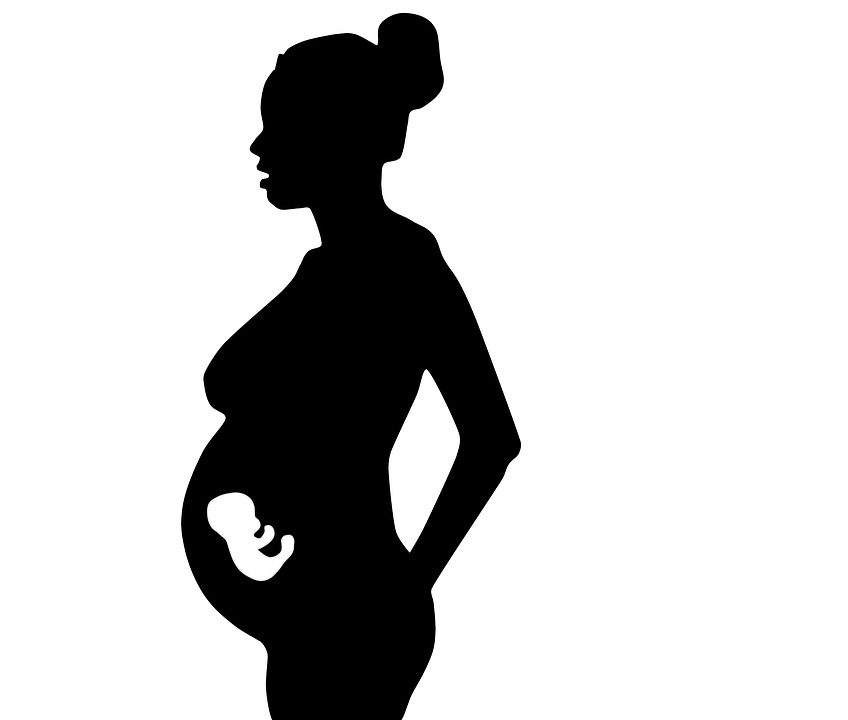
While everyone seems to have an opinion on the Lindsay Clancy case, not many people really understand postpartum depression — a mostly taboo subject.
First, it’s important to differentiate between the “Baby Blues,” postpartum depression, and postpartum psychosis.
Having a baby is the most joyous event in a mother’s life, right? Well, not at first. In fact, three in four new moms experience what is known as the Baby Blues in the first weeks after the baby is born. This consists of stress, anxiety, feelings of incompetence, and often unprovoked weeping. Feelings of aloneness, pain from a caesarean section, anxiety over breast feeding and caring for the baby often lead to this initial difficulty.
Mitigating factors such as whether there is a helpful spouse or relative or enough money to employ a “baby nurse” can make a huge difference. While the Baby Blues are often lumped into the category of postpartum depression, they are actually a normal reaction that’s in part due to hormonal changes as well as the acknowledgment of the monumental task ahead.
Baby Blues usually subside as the hormones return to normal and the mom begins to gain a sense of confidence. But a colicky baby, an inability to breast feed, or isolation can prolong a sense of anxiety and lead to longer-standing problems.
Take Nina, for example, currently the mother of two fabulous sons, ages 9 and 11. When her first son was born, she didn’t have enough milk to breast feed him, a not uncommon phenomenon. Nina found herself pumping constantly, to no avail. Online chat sites were suggesting that formula was “evil” and that by not breast feeding, she could not provide for him and was therefore inadequate. She stopped sleeping and started to believe that the baby was not safe — not that she would hurt him, but that due to her failings, he was somehow unsafe in her care.
Nina’s postpartum depression then took her to a psychiatric hospital because she thought she was “going crazy.” She wasn’t. After two weeks of misery (and much medication) in the hospital, she transferred to a specialized out-patient program in Rhode Island designed for families to be together while helping suffering moms. It saved her life, she says.
Two years later when her second son was born, son number one was thriving and happy. As it turns out, formula didn’t hurt his development at all. When she had son number two it was all smooth sailing. She was able to relax and even breast feed him.
Nina had a serious case of postpartum depression. According to the Cleveland Clinic, one in seven women experience this, not as severely as Nina, perhaps, but a depression more serious and prolonged than the classic Baby Blues. The symptoms:
1) Feeling sad, hopeless or guilty; 2) Loss of interest in things once enjoyed; 3) Changes in appetite; 4) Loss of energy; 5) Crying; 6) Difficulty focusing; 7) Lack of interest or excessive anxiety around the new baby.
Most women don’t go to a program like Nina did, but counseling and appropriate medication is usually indicated. It may go away, but it may also get worse; therapeutic intervention is strongly recommended.
Then there’s Amy, the mother of an adorable 2-year-old, whose symptoms began even before he was born. This is known as perinatal depression. In the last months of pregnancy, she became so anxious that she suffered from eating and sleep deprivation, losing 10 pounds and going nights without sleep.
Lack of sleep can lead to hallucinations. She felt like her entire body was on fire. She was also experiencing suicidal thoughts. Amy erroneously thought that once the pregnancy was over and the baby was born, she would feel better, but this wasn’t the case. In fact, her perinatal depression turned into postpartum depression but now, in addition, she had a baby to care for. Amy’s depression lasted six months.
During that time, she admitted herself into a women’s unit of a psychiatric hospital. This experience sounded better than Nina’s in-patient situation, but it was still not specializing in postpartum depression and she didn’t receive the counseling that she needed.
On top of the anxiety and depression, postpartum depression is generally accompanied by shame. Most woman in this position see themselves as bad moms. After all, aren’t you supposed to immediately love, bond, and care for your infant? It is hard when you are terrified and worried about your own and your baby’s survival.
While postpartum depression affects one in seven women, fewer than two in 1,000 experience postpartum psychosis. This is always an emergency given that the life of the mother and child may be in danger. According to the National Institutes of Health, while it cannot be predicted, about 50% of the mothers experiencing psychosis have a previous history of psychiatric problems, with approximately 20% of them experiencing bi-polar affective disorder, a condition associated with violent mood swings. Hormonal changes and thyroid disease are currently being studied as possible contributors. Childhood trauma, drug abuse, and poverty are also risk factors. This has been an understudied disorder which is finally getting its due.
Postpartum psychosis, like psychosis in general, means a break with reality. According to a 2023 article by Zia Cherrell, MPH, the symptoms of postpartum psychosis may include:
• Hallucinations — seeing or hearing things that are not there
2) Delusions—having beliefs that are not based in reality
3) Paranoia—Feeling extremely suspicious and erroneously thinking that people are out to cause harm
4) Confusion—feeling unsure about one’s surroundings, history, or identity
5) Incoherent or disorganized behavior—acting in a way that seems strange or unpredictable.
Both postpartum depression and postpartum psychosis are serious. They both indicate serious emotional and psychological distress and can lead to difficulty bonding with the infant. But the delusions and hallucinations indicate that the mother should never be left alone with her baby and that mental health professionals should be involved immediately.
From the reporting on the Lindsay Clancy case, she was seeking treatment, but clearly it wasn’t working. It is unclear whether the help she was receiving included counseling. It also appears that she was on multiple medications without a specific treatment plan. Certain medications counteract negatively with each other, which is why a health professional needs to know everything a person is taking, including over-the-counter meds.
In my interviews with both Nina and Amy, it is obvious that what is lacking are enough programs providing family treatment. Suffering new moms shouldn’t be separated from their babies (assuming they are not a threat to them) but should be afforded support, counseling, education, and appropriate medication to get through this crisis.
There are more in-patient and intensive out-patient programs now than there were 11 years ago when Nina gave birth, but there are still too few. Additionally, many psychiatrists are unfamiliar with this disorder. A new specialty called reproductive psychiatry is gaining traction. These specialists can understand and fine-tune the needs of this very vulnerable population.
Amy told me about a situation that occurred before she was pregnant. A friend had recently delivered a baby. The friend seemed so unhappy and while Amy was visiting, the friend just left everyone to go upstairs to be alone and cry. At the time, Amy never said anything. She just thought it was weird. Now she wishes she had been able to offer her friend support. Because now she understands.
Resources:
Postpartum Support International (PSI) http://postpartum.net/
Intensive Treatment in the US: https://postpartum.net/get-help/intensive-perinatal-psych-treatment-in-the-us
Nancy Green is a social worker and is co-chair of the Shelter Island Health and Wellness Committee.