Library sponsors info session on senior issues: Medical care, estate planning and more
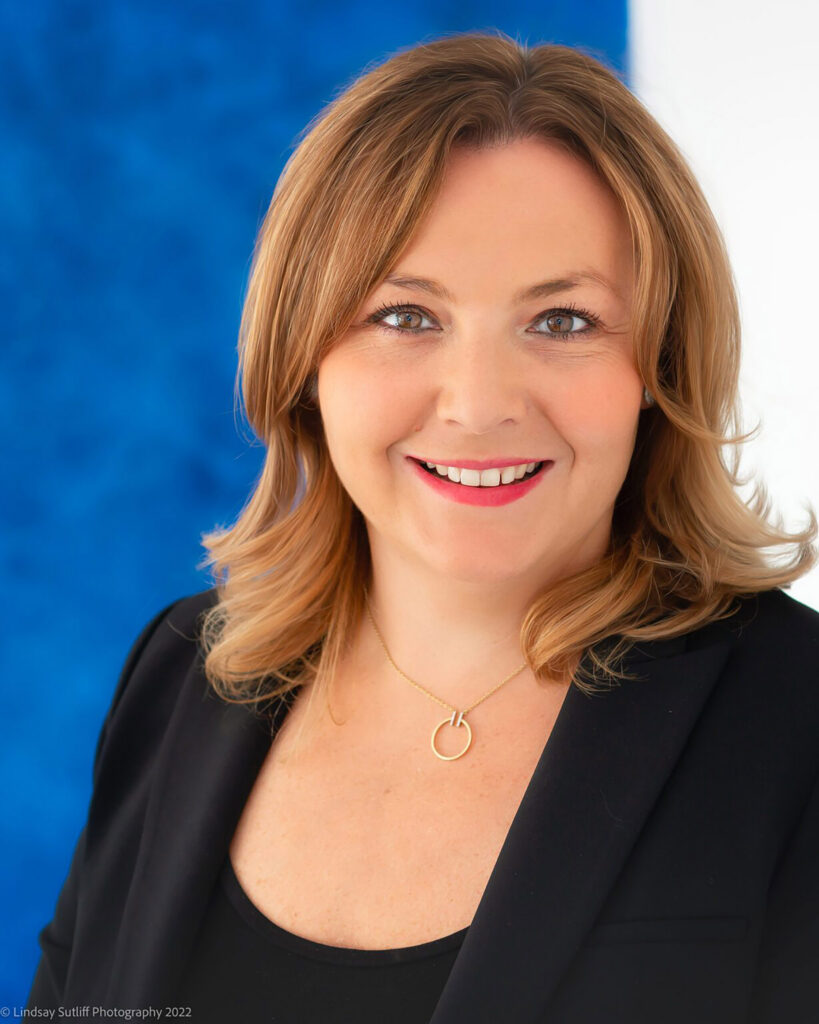
Medicare enrollment, Medicaid long-term care planning and the essential legal documents that come along with aging at home were covered in a Shelter Island Library’s lecture hosted by Britt Burner, a managing Partner of East Hampton’s Burner Prudenti Law. Key takeaways include the importance of having a New York State Health Care Proxy and properly drafted power of attorney.
“It’s really important that you understand what it looks like to age at home for you,” said Ms. Burner, who specializes in elder law and estate planning, adding that her lecture was not meant to be legal advice, but educational, and all should reach out to attorneys who specialize in elder law. “Estate planning is really creating the documents that make sense in your circumstance in order to preserve your wealth and preserve yourself while you’re alive and to pass on after you’re gone.”
Ms. Burner cited the New York State Health Care Proxy form as being of major importance. It allows a person to appoint a trusted “agent” to act as a healthcare liaison to make medical decisions if someone lost their ability to communicate and decide for themselves. Two witnesses over the age of 18 are required for the document, and the chosen healthcare agent cannot be a witness, and an attorney is not required.
A notary is not needed for the Health Care Proxy form either. The purpose of the form is to grant your healthcare agent with as much or as little authority over your medical wishes whether it be life sustaining treatment, or medical procedures. After signing, a copy should be distributed to the healthcare agent, primary doctor, close family members, a lawyer, and kept in your own records.
After you have your healthcare documents in place, start to talk about a power of attorney to help manage affairs and arrange assets to be distributed after death. There is no one else who can be financially responsible for assets after the age of 18, not even a spouse. People assume that their spouse can access their bank accounts, but according to Ms. Burner, that’s not enough. “It’s really important that you have a power of attorney, even if it names your spouse as agent,” she said.
A lot of people like to avoid probate by creating a trust and then putting assets in the trust now. Instead of having a house with the homeowners name on the deed, upon their death it passes through probate and a will, and you can create a trust. A trust document dictates where assets go without court involvement. There are many types of trusts you can create. There’s a revocable trust, which basically just avoids probate and organizes your estate.
“It’s very important if you’re looking to avoid probate,” Ms. Burner said, adding that there are a lot of types of irrevocable trusts. “When we’re talking about aging in place at home, the most important one to talk about is the irrevocable Medicaid Asset Protection Trust — that serves the purpose of sheltering an asset so that when you apply for Medicaid eligibility that asset doesn’t count as yours for Medicaid eligibility.”
The Medicaid Asset Protection Trust is an irrevocable lifetime trust that removes assets from personal ownership, making it possible to meet Medicaid’s strict financial limits.
At 65, people become eligible for Medicare, the federal health insurance program. Open enrollment is before Dec. 7. Ms. Burner encourages people 65 and up to look at the available plans. “Make sure that they are going to suit you for the upcoming year,” she said. “If you’re anticipating knee surgery, or hip surgery, or some other issue you want to make sure you have a robust enough plan that’s going to help pay for the costs of whatever you need. So now is the time, and I can’t stress that enough, until Dec.7 you should be reviewing your plan and making sure it will be the appropriate plan for you in 2027.”
Medicaid authorizes in-home aides through programs such as the Consumer Directed Personal Assistance Program, CDPAP, which allows family, friends, or neighbors to care for someone paid for by Medicaid as caregivers. No licensure is required for the CDPAP and it has served as a critical program for rural and remote areas like Shelter Island. 24/7 care is possible under Medicaid, but difficult to staff in remote areas, which is something to look into when aging in place at home
“Especially as we get to more remote parts of the state, and I put Shelter Island in that category, it gets a little bit tricky, especially when it comes to receiving services in your home and making sure that you’re properly cared for,” Ms. Burner explained. “We like to talk about it as far in advance as we possibly can so people can prepare for that eventuality and stay at home regardless of where home is.”