Gone Fishing: Water temps up, so are options for anglers
The hottest bite of late summer is no longer happening only in the Canyons.
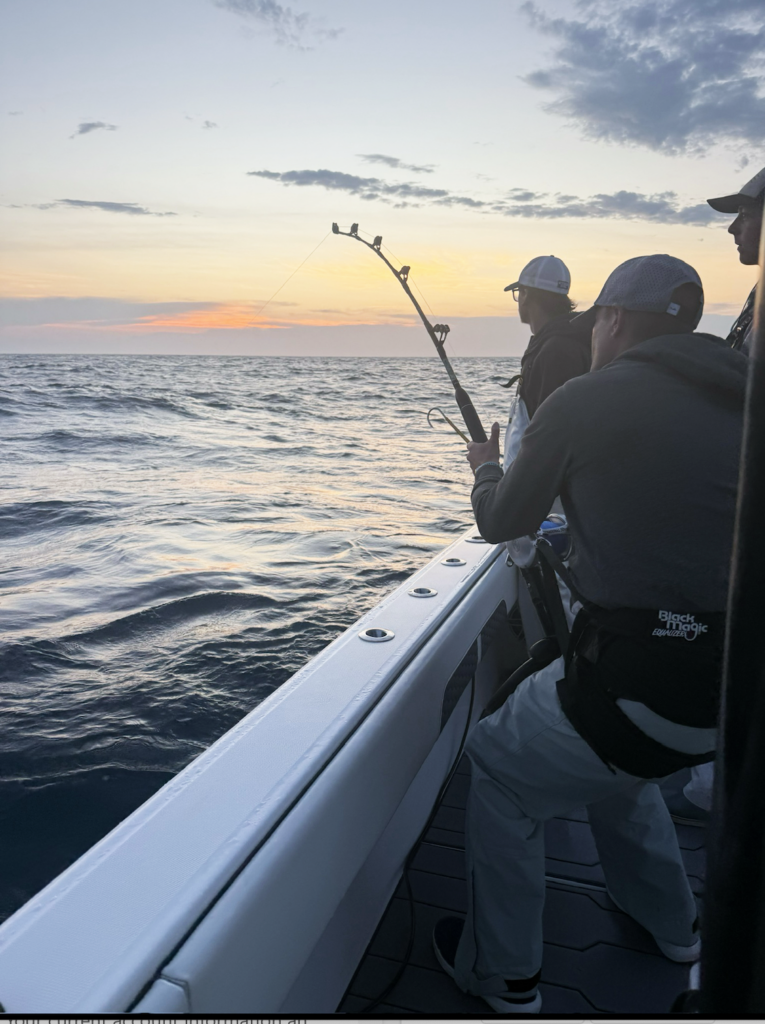
Over the past three weeks, the inshore bluefin fishery has exploded south of Montauk and Shinnecock. Last week, angler friends of mine caught a 58-inch bluefin less than 10 miles from the inlet. That proximity has opened the fishery to more anglers and created one of the best offshore opportunities of the season.
The bluefin are feeding heavily on sand eels and squid. Metal jigs and soft plastics are excellent choices because they closely imitate both types of bait. Both actively jigging and dead sticking these presentations has proven effective. Anglers should pay attention to the size of the forage and select a lure that matches it as closely as possible.
Numerous fishermen have also reported catching squid directly on the tuna grounds and immediately sending them back down as live bait. When the fish are skittish, every little detail matters. Live bait often proves to be the ticket, but many other things factor in. Changing your leader, for example, can make a world’s difference. Just last week I struggled for hours to get a bite on 80-pound flurocarbon, and not even five minutes after switching to 60 pound I came tight on a decent schoolie-sized bluefin.
Water temperatures in the areas south of Montauk and Shinnecock are now close to 75 degrees, creating an opportunity for yellowfin tuna as well. The yellowfin fishing is far from being lights out, but there’s a few decent ones in the mix. These fish give anglers an opportunity to truly fill the box with fish since you’re allowed to keep three per person, compared to bluefin which are two per boat (one under 47” and one over).
Yellowfin are being caught on the troll and on jigs. Spreader bars appear to be producing the most bites, while ballyhoo and daisy chains are also seeing action. With both bluefin and yellowfin occupying the same general waters, anglers should be prepared to change tactics depending on what they see on the surface and on their electronics.
Closer to home: Rising water temperatures have brought what many anglers are calling a shark invasion in Long Island Sound. Dusky sharks and sandbar sharks, commonly called brown sharks, seem to be appearing throughout the Sound in increasing numbers. Anglers along the Connecticut coast and north shore of Long Island have reported sharks attacking hooked black sea bass and striped bass as they are brought toward the boat.
This type of shark depredation is quickly becoming a serious frustration. Anglers can do everything right, only to have their fish bitten off by a shark. Dusky and sandbar sharks are protected from recreational harvest, leaving fishermen with few practical options when the same sharks repeatedly follow their catches to the surface. These protections exist for important conservation reasons, but some anglers believe state management needs to better account for the increasing number of shark encounters they are seeing locally and the effect they are having on other fisheries.
Along with the sharks we’ve seen our first real push of bluefish. For the first time this summer, blues are being caught consistently in the Gut, the Race and around Montauk Point. Their return is welcome news after they remained noticeably scarce through much of the season.
Bluefish are rarely fussy once they begin feeding. These fish will eat about anything, but a diamond jig seems to have an edge. Whether you’re a fisherman looking for bait to catch giant bluefin tuna or an enjoyer of smoked fish, the arrival of bluefish is great news.
As with striped bass, moving water is one of the most important ingredients for catching bluefish. Anglers should concentrate their effort around the strongest portions of the tide, especially along rips and current edges where bait collects.
Bonito have also made their way into the waters surrounding Block Island. These fish create an exiting opportunity for light tackle anglers chasing their first “hard tail” (the nickname for inshore pelagic fish species) of the season. The bonito are mostly feeding on sand eels, so throwing epoxy jigs and albie snax can be very effective. A moderately fast retrieve after casting directly into an active feed has been the preferred technique, but some fish are also being caught blind casting.
Farther offshore, Canyons fishing remains spotty as tournament season begins to wind down. The yellowfin bite has been inconsistent. Boats with Omni sonar are having little to no issue finding yellowfin, but with the water at 80 degrees out east, big eye have become hard to come by. Many Canyons fishermen are now looking toward the approaching full moons in hopes that the nighttime chunk bite will improve.
The full moons could also help turn on the swordfish action. If the nighttime bite develops, the Canyons may still have one more strong stretch left before the offshore season begins to slow. For now, however, the best and most consistent tuna opportunity appears to be much closer to home, where bluefin — and a growing number of yellowfin — are keeping anglers busy south of Montauk and Shinnecock.