Shelter Island History Museum helps Sylvester Manor preserve the past
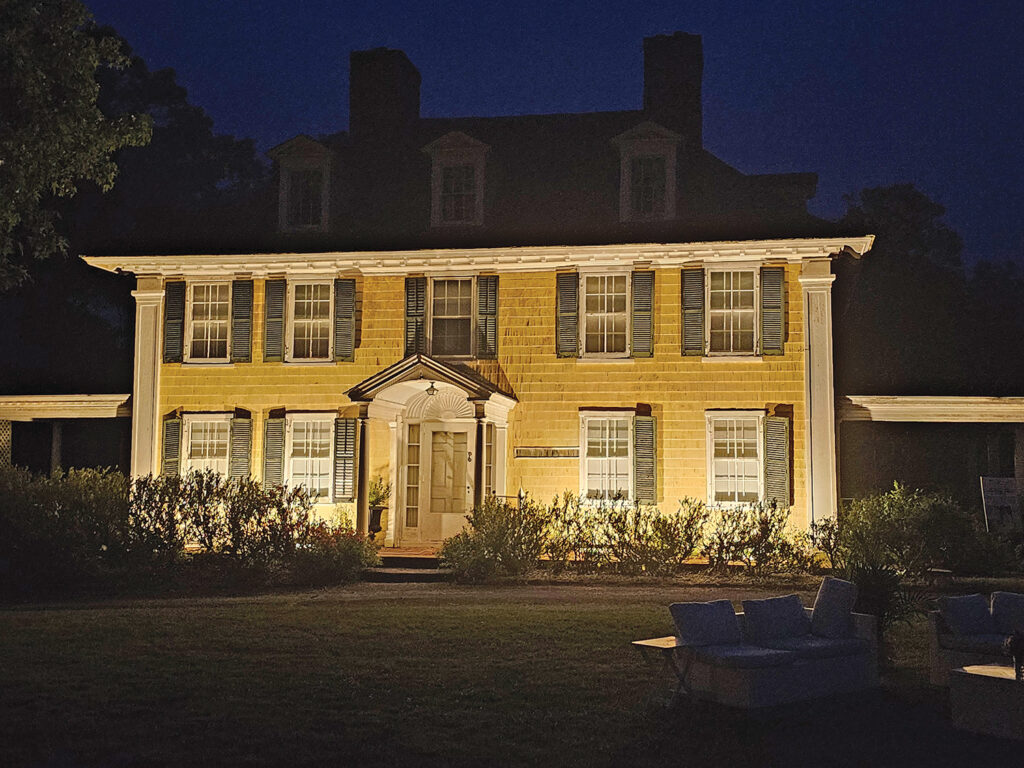
As we’ve reported, the Shelter Island History Museum and Sylvester Manor have made a partnership to preserve the Island’s heritage.
When it comes to preserving the objects of our town’s history, it’s about more than simply setting artifacts aside for posterity’s sake and calling it a day. In order to preserve items for generations to come, there’s quite a bit of care to consider. And oftentimes, a little help from some knowledgeable friends can be key to keeping the keepsakes.
As work begins in earnest on the rehabilitation of the Manor House, the History Museum has stepped in and stepped up to aid in safeguarding objects that must be removed from the premises during the extensive work on the 1737 historic house.
“We are thrilled to be working with the Shelter Island History Museum to protect these precious resources during the Manor House construction,” Sylvester Manor executive director Stephen Searl said in a statement to the press. “This partnership covers all three aspects of our mission — preserve, cultivate, and share historic Sylvester Manor.”
Sylvester Manor and its 236 acres was once the slave and indentured servant-holding plantation of sugar merchant Nathanial Sylvester — and, up until 2014, a long line of his descendants. In that latter year, it was gifted to the nonprofit Sylvester Manor organization, which now encompasses a working, educational farm and requisite CSA, Afro-Indigenous burial ground, restored 19th-century windmill, nature trails that are open and free to the public and the 1737 Manor House, in which a multitude of vital artifacts reside.
Why can’t they just rent a storage unit for them and call it a day? Good question.
When it comes to properly safeguarding historical memorabilia, seemingly innocuous aspects of daily life can actually be harmful over time, if not immediately. Like what, you might ask?
- Light. Too much of it can wear and deteriorate everything from textiles to paper to photos. You’ve probably seen it in your own home — curtains or other upholstery that fades, pictures by a window that lighten or change colors. And it’s not just daylight that can be harmful, but fluorescent lights, too (often found in storage units), as both emit ultraviolet radiation.
- Humidity. On the East Coast, we sure know all about that. Too much can create mold and mildew, absorbing moisture and altering an object’s structure. Too little humidity? That’s not good either, as too-dry an atmosphere can turn objects from sturdy to delicate and crumbly.
- Temperature. Like too much or too little humidity, wild temperature swings (like in attic or basement) can mess with the condition of historical items. Add to that the possibility that pollutants and chemicals in the air can also adversely affect (and potentially destroy) precious artifacts.
- Critters. Insects like moths and termites, rodents like mice, squirrels and rats, and even human beings (oils from fingers touching preserved pieces) can add to the disintegration or even destruction of historical pieces.
The History Musuem had made it their mission to preserve Island history since nonprofit was founded in 1922. Thanks to an extensive building and restoration project that was completed in 2019, a two-level addition was designed by renowned architect and longtime Shelter Island resident, William Pedersen, to the historic, 283-year-old Havens House where the museum resides. There also have been ample temperature-controlled archives and storage put in place
In addition to the robust and growing archival materials that the Musuem stewards and cares for, helping Sylvester Manor seemed like a perfect, if not perfectly necessary, fit.
“As partners, we are making sure that the important documents of our Island’s history are preserved and made available to researchers, scholars and the public,” said History Museum executive director Nanette Lawrenson. “Documents from both organizations will serve as the basis for further collaboration on exhibits and programs. We look forward to working together to share stories about Shelter Island and the experiences of its people.”