Gone Fishing: Bass are back, the fishing will only get better
For the first time this spring, Peconic Bay feels alive again.
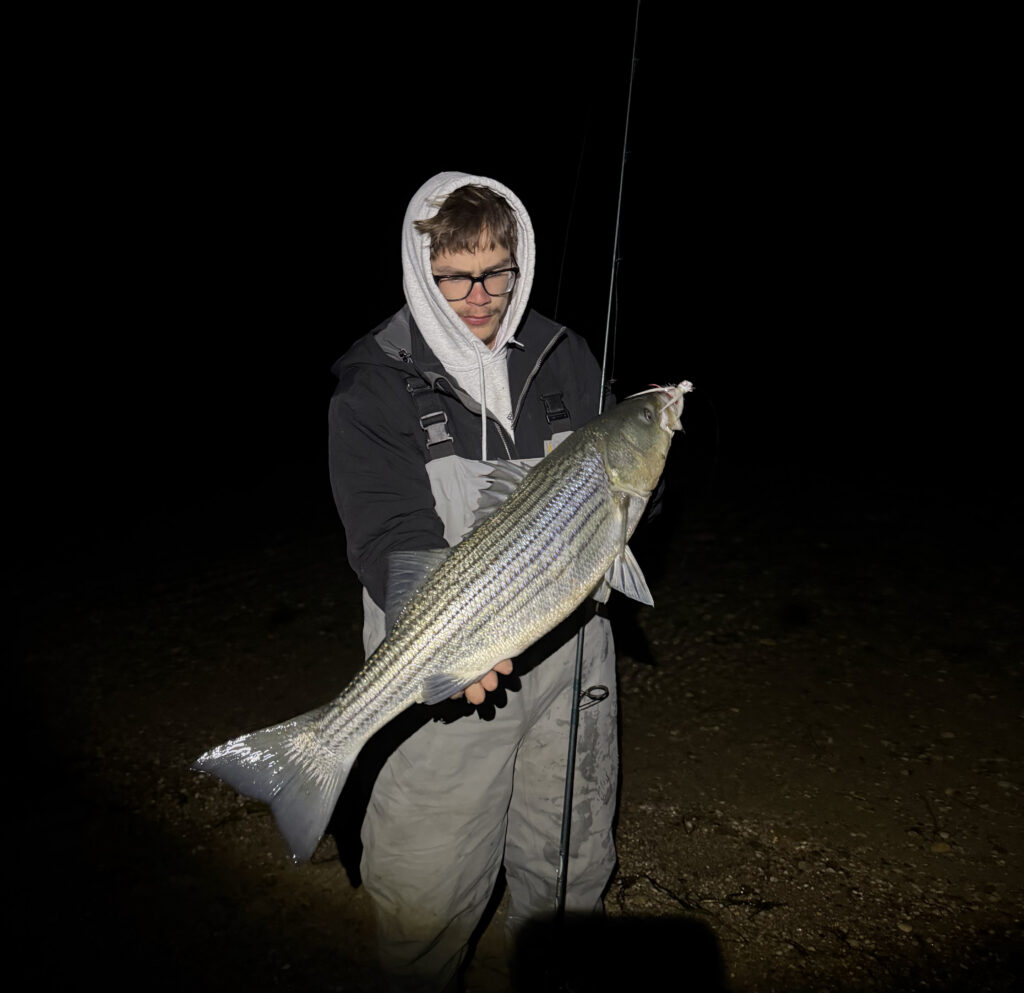
After weeks of late winter-like weather, temps are finally rising to where they should be. The waters surrounding Shelter Island are currently experiencing their first wave of real fish, and decent-sized fish at that. This past week anglers reported fish up to 42 inches in our waters.
The biggest driver of this new activity has been the arrival of bait. Large schools of menhaden and bay anchovies have suddenly flooded into the bay, bringing life back to shorelines and points that had felt strangely quiet through much of April and early May. And whenever the bait arrives in numbers like this, the striped bass are never far behind.
Jessups Neck has been one of the better places to try over the past week. Both the outgoing and incoming tides there have produced fish, especially during low-light periods early in the morning and just before dark. The moving water at Jessups creates exactly the kind of current that striped bass want this time of year. With bait stacked along the edges and current seams, it becomes a natural feeding zone for fish moving through the bay.
One thing that has stood out this spring is how tide-dependent the fishing has been. During colder springs like this one, every small change matters. A slight increase in water temperature, a stronger outgoing tide pulling warmer back-bay water, or even just a calm sunny afternoon can completely change the level of activity.
After such a cold winter and delayed spring, the fish have been moving in waves rather than all at once, and timing has mattered more than ever. Just a couple days ago I fished a spot just east of Shelter Island on both an outgoing and an incoming tide. The incoming tide showed 55 degree water and very slow fishing, while the outgoing tide showed 57.7 degree water along with the best fishing of the year so far.
Many anglers have reported more slot size and over-slot size striped bass (that is, the size at which a fisherman is legally allowed to keep a fish rather than release it) than typical this time of year. On the surface, that sounds like a great thing. After all, nobody complains about catching a quality fish! But the reality behind it is a little more concerning.
Normally during a healthy spring migration, there should be large numbers of smaller striped bass mixed in with the bigger fish. Those “schoolie bass” represent younger-year classes moving through the system and are a sign of successful spawning seasons in recent years.
The lack of smaller fish showing up consistently reflects the struggles striped bass populations have faced with spawning over the last several years, particularly in important systems like the Chesapeake Bay and Hudson River. Many of the larger bass being caught right now likely come from older, stronger-year classes that were produced during better spawning years.
While it’s exciting to see quality fish in local waters, it also highlights a concern that fishery scientists and anglers alike have discussed for years. In the simplest of terms: There are not enough younger fish consistently replacing the older generations. A spring run dominated by bigger fish can sometimes look healthy in the moment, but it may actually point toward weaker replenishment underneath the surface. While not catastrophic, it serves as a reminder of how important strong spawning years are to the future of striped bass in the Northeast.
Moving on from striped bass, the scup (porgy) fishing has gotten off to a decent start. The waters west of the mouth of Dering Harbor have produced a decent bite for the porgy fleet. Head boats are out daily with most anglers going home with more than enough fish for dinner. Clam belly seems to be the bait of choice at the moment with squid being a close second.
Some weakfish and fluke have been caught, but the waters still remain cold for their standards. Last week I managed to scrape two keeper fluke in front of the Green Lawns, which is a great sign for the season ahead.
From here the fishing should only get better. Larger classes of stripers will flood the Bay along with more fluke and eventually bluefish. It is now safe to say the slow fishing is behind us, and we are in for a spectacular spring run.