Planners weigh in on wetlands code
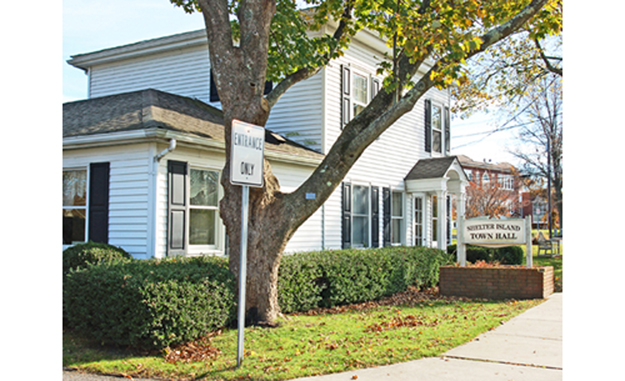
Several years ago, Southold attorney Patricia Moore, representing a client before the Zoning Board of Appeals, told members Shelter Island’s Town Code was filled with conflicts.
There were discrepancies in definitions and even differences in what some parts of the code allowed and other parts rejected.
But for years, little attention was paid to begin the hard work of reviewing and rewriting code. Some changes grew from discussions among those working on the yet to be completed new Comprehensive Plan. But while that effort continues, some key sections of the code were proving troublesome to various Town officials who found themselves having to approve applications because of the language in an existing part of the code they deplored.
There were several times when the Waterways Management Advisory Council found themselves split on decisions, not because they disagreed with one another, but because some pushed to redefine the code decision by decision while other members felt duty bound to decide their votes on the basis of what was in the existing code.
It might be their concerns that made them among the leaders to push for changes that have been underway in the past few years. The result is the attention the Town Board and various boards and committees have been giving to re-examining and rewriting parts of the code, not waiting until the Comprehensive Plan can be completed.
The Wetlands Code is currently under examination and the Planning Board is among those groups reviewing that part of the code and weighing in on changes members believe are needed.
Earlier this month members discussed concerns about how much decision making in the Wetlands Code rests with the Building Department. At issue is that a lot of decisions rests with one person, member David Austin said.
“I worry about that,” he said.
There are also references in the code to a wetlands officer but there is no such person, the planners said.
Code references to the 100 foot vegetative buffer meant to protect the wetlands doesn’t consistently limit actions planners don’t think should be allowed. If an applicant intends to remove trees in the course of a project, that should require another level of approval.
Another level of concern for the planners was delineating what should be allowed in terms of site development. Because an applicant is approved to build a dock doesn’t automatically mean a boardwalk is allowed, they agreed. And what should it mean when you are allowed to build only within the footprint?
The answer might seem simple, but member Greg Cranford summed it out saying the footprint refers to the structure on the site and not to such things as a pool, dock or boardwalk to the dock. Those require their own permits and protection of wetlands needs to be paramount.
Deputy Supervisor Meg Larsen said anything beyond the footprint of the major structure, including expansion of the original footprint is subject to needing its own permit.
With the Town Board receiving input from various committees with interest in wetlands, a revised draft will emerge and the public will have its say before a final new code emerges.