Committee: Twelve critical hazards threatening Island need mitigation
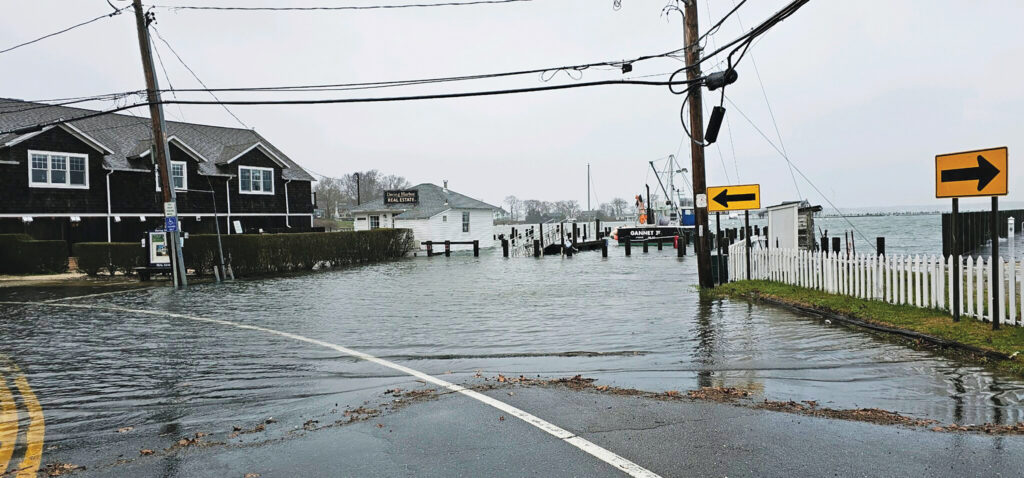
Few would argue that Shelter Island is a jewel of the East End. But along with its natural beauty is its vulnerability to many hazards. Some result from storms, others from its remote location.
A Town subcommittee continues to identify the Island’s vulnerabilities and determine possible ways to mitigate the threats. There are close to 100 pages of listings of identified hazards, but a much shorter list of high priority mitigations. Among them are:
• North and South Ferry services both face flooding, sea level rises and tidal activities interrupting their service at times. Operators of both companies have spent substantial funds on infrastructure, raising platforms and taking steps to lessen problems. But the subcommittee has determined that more design work and capital improvements are required to elevate roadways and ferry plazas.
• Enhancing Emergency Medical Services to Ram Island, where low elevations on the causeway result in inability to respond to calls during severe weather, leaving residents cut off. The focus has been two-fold — raising the roadway, and purchasing a “high-water vehicle.” Until those steps can be implemented, improved communication to residents to carry warnings of impending storms, so those who choose to can cross the causeway to safer areas.
• Stormwater improvements to deal with aging infrastructure by improving drainage; decreasing roadway flooding; increasing groundwater recharge and limiting runoff pollution. The aim is to design and install site-specific stormwater management solutions and enhance roadway resiliency to reduce runoff pollution.
• Emergency drinking water to respond to severe weather causing salt water intrusion into wells. Electrical infrastructure needed for private wells can be damaged, limiting access to drinking water for a large number of people. The subcommittee is recommending a public water dispensing site to distribute potable drinking water during emergencies.
• Groundwater monitoring and modeling is critical since all drinking water comes from an aquifer isolated from the mainland of Long Island. In areas where the aquifer thickness is estimated at as little as 20 feet, low-lying areas are experiencing high chlorides from salt water intrusion, which is expected to worsen significantly as climate change results in more frequent and severe storms. Nitrates and chemical contaminants have been detected. The recommendation is engagement with public health, geologic and water management professionals to monitor groundwater supplies, develop groundwater use policy and implement required capital planning to ensure potable, accessible drinking water.
• Shell Beach shoreline stabilization is vital in the fight against erosion.
• Crescent Beach erosion requires additional rehabilitation projects to enhance resilience of the beach and access roadways.
• Reel Point has experienced chronic erosion resulting in impacts of flooding, threats to native habitat and navigation of the region. Years of seeking a commitment from the federal government to fund a project and schedule work by the Army Corps of Engineers has remained tabled. In the interim, the effort is to implement a living shoreline project to help stabilize Reel Point. It could encompass planting of native vegetation.
• Protection of critical facilities and emergency shelter structures, including the Emergency Operations Center, the school, and Community Center to survive hurricanes.
• Elevate utilities, businesses and the roadway on Bridge Street that floods during major storms.
• The entry to Westmoreland Drive near West Neck Road is another low point that floods during extreme high tides and storms; the result is cutting off access and egress to that residential community of 46 homes and a designated landing field for medical evacuations.
• The Town is heavily reliant on technology, including computer networks, communications systems, financial platforms and public safety connections. A cybersecurity incident such as ransomware, malware intrusion or system compromise could disrupt essential government services affecting police operations, emergency coordination, financial systems and public information platforms. There’s a need to strengthen municipal cybersecurity protections and improve resilience of digital infrastructure through enhanced network monitoring; multi-factor authentication; vulnerability assessments; staff cybersecurity training and strengthened incident response and recovery procedures. The Town will explore partnerships and inter-municipal agreements to ensure access to technical cybersecurity expertise.
• The Town is dependent on a volunteer Fire Department and Emergency Medical Technicians for those vital services. But there are challenges in maintaining and recruiting enough volunteers. High housing costs and limited availability of housing complicate volunteers being able to live locally. There are also issues of an aging population and training requirements that raise conflicts with personal and professional responsibilities. Reduced numbers of volunteers affect the ability to respond rapidly to emergencies, especially in hazardous situations.
“The Town will support efforts to maintain and strengthen volunteer Fire and EMS services through recruitment, retention and operational support initiatives,” according to the hazard mitigation plan. Efforts will also include initiatives to increase housing opportunities and deal with residency requirements.