A new era for the U.S. Men’s Soccer Team
There are moments in sports that feel distant. Something you watch from across the world, at odd hours, through highlights and headlines. Then, there are moments that land right in front of you.
The FIFA World Cup 2026 is a great example of a moment about to land just down the road from us here on Shelter Island. On June 12, the United States will host its first World Cup game since 1994. This isn’t Europe. It’s not South America. It’s not something happening overnight while we sleep, which is a typical scenario for soccer fans watching the world’s most important matches from afar.
It’s here, and that alone changes everything.
Soccer has never risen to the level of basketball, football, and baseball in our national sports culture. European and South American countries have traditionally dominated soccer (or football or futbòl, as they call it), where no other sport comes close as a national pastime. Since the early 2010’s, however, soccer has expanded greatly in the U.S. A big part of the sport’s growth in popularity comes down to access.
Streaming means that it’s never been easier to watch the game at the highest level. Now, Premier League mornings, Champions League afternoons, and international tournaments are part of the weekly routine for fans. At the same time, the domestic side of the game has taken real steps forward. Major League Soccer has grown in both quality and visibility.
The arrival of soccer greats like Lionel Messi at Inter Miami, Thomas Mueller at the Vancouver Whitecaps and Sergio Busquets at Inter Miami has brought attention and greater viewership to American soccer.
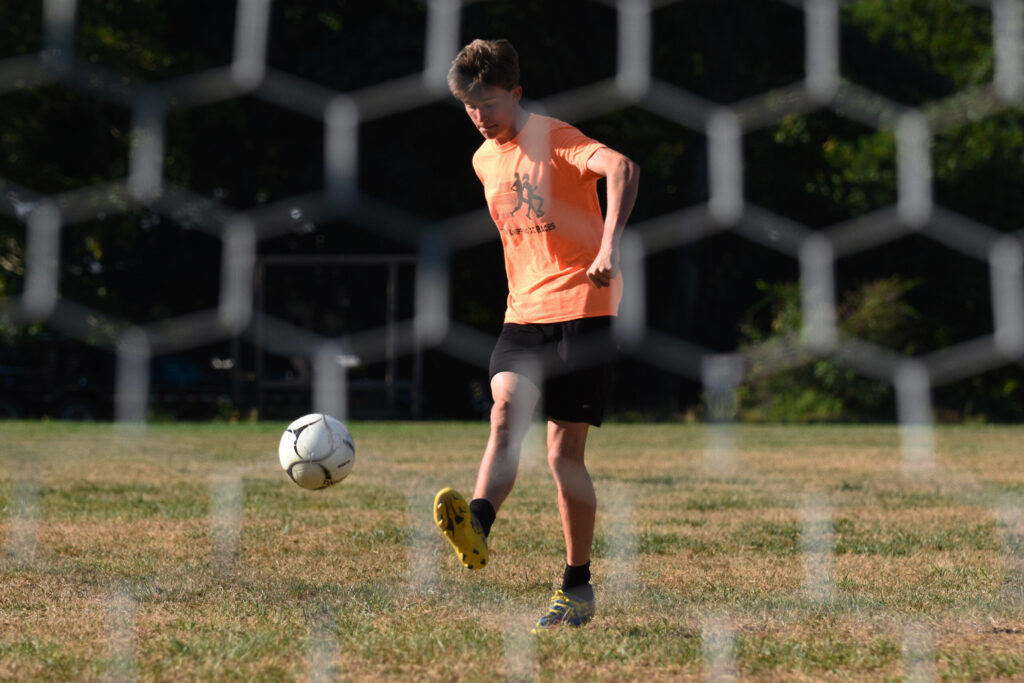
More importantly, the nation’s youth development system has improved. (Shelter Island School has, within the last few years, brought soccer back as a program.) Training academies are producing players who are technically sharper and more prepared for professional careers than ever before. Youth leagues have exploded in size, and Division I soccer players are increasingly making their way to the professional stage.
Matt Turner, the U.S. Men’s national team’s starting goalkeeper, is a prime example of the growing success of the American soccer system. Turner barely scraped a place in a D1 program as a walk-on at Fairfield University in 2012. Today, he is turning out consistently good performances in the MLS for the New England Revolution and will bring his exceptional technical prowess to the World Cup this summer.
American players are developing earlier, training at higher levels, and making their way into top European clubs at younger ages. That kind of progression wasn’t common before. Now, it’s expected.
The United States national team was at an all-time low a few years ago. The squad failed to qualify for the 2018 World Cup after a choking loss to Trinidad and Tobago (by far the worst team the U.S. played against in the qualifying stage). In 2022 the Americans showed a much stronger performance, even tying against soccer powerhouse England in a tense group stage game (England was deemed one of the favorites to win the entire competition).
The U.S. exited the tournament after a 3-1 loss to the Netherlands. While the exit from the tournament was still disappointingly early, the team had showed great promise, bringing more attention to the sport than ever before. People who had never watched the sport rallied to support the team.
That attention didn’t just fade once the tournament ended. The sense of belonging and patriotism that coalesced around the U.S. men’s team remained. Soccer is no longer a niche interest or something fair-weather fans check in on every four years. It’s become part of our nation’s broader sports conversations, so that today it’s not uncommon to see bars filled for key matches and group stage games rehashed the next day. Players have become recognizable names, not just to die-hard fans, but to casual viewers as well.
We should expect no different for the 2026 World Cup. The majority of the American team has either played or is actively playing at high levels in Europe. But what makes this tournament different isn’t just the roster — it’s where it’s being played. For once, American fans won’t be waking up early or staying up late to catch matches. The energy will be here, in real time.
Stadiums in New York and across the country will be filled, and the atmosphere surrounding the tournament will be impossible to ignore. Even in places like Shelter Island, the World Cup will feel close. You’ll see it in packed restaurants, in sidewalk conversations, and in the way people start anticipating every match.
And best of all, in pick-up games on beaches and fields across the Island, as we all try to get a taste of what football legend Pelé called “the beautiful game.”